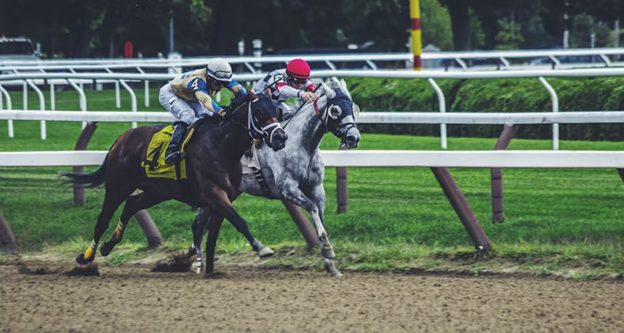
The Preakness Stakes arrives quickly after the Kentucky Derby, but it carries its own rhythm and demands. It is not simply a continuation of the same race conditions. Bettors who treat it that way often miss the subtle changes that define how the race unfolds.
Understanding those differences becomes important, especially in a year like 2026, where location and preparation timelines add another layer. The Preakness rewards careful reading of form, pace, and recovery rather than broad assumptions carried over from the Derby.
Field Size and Race Structure in the Preakness
The Preakness typically features a smaller field than the Kentucky Derby, which immediately changes the way the race develops. With fewer horses competing, the early stages tend to be more controlled and less chaotic. This reduced congestion allows jockeys to secure position more easily.
That cleaner start often benefits horses with tactical speed. In the Derby, early positioning can be disrupted by traffic, but in the Preakness, front-runners are more likely to settle into rhythm without being forced wide. This can make early pace a stronger factor in determining outcomes.
For bettors, this means fewer unpredictable variables. A smaller field narrows the range of possible race scenarios, which can lead to more confidence in selecting contenders. It does not eliminate uncertainty, though it reduces the level of disruption seen in larger fields.
At the same time, this structure can shift how odds behave. Favorites often attract stronger support in smaller fields, since the path to victory appears more straightforward. Bettors need to balance that perception with the reality that the race still carries enough variability to challenge expectations.
How Derby Performance Influences Preakness Betting
The two-week gap between the Derby and the Preakness plays a significant role in shaping the field. Horses that competed in the Derby return with recent race experience, though that effort can leave lingering effects.
Some runners carry momentum forward, especially those that finished strongly or showed resilience under pressure. Others may struggle to recover fully, even if their previous performance suggested they would contend again. This contrast becomes a key point of evaluation.
Fresh entrants add another layer to the equation. These horses bypass the Derby and arrive with more energy, though they may lack experience against top competition. Trainers often target the Preakness with them, focusing on preparation rather than endurance across multiple races.
Bettors must weigh these factors carefully. Recent performance provides insight, but it does not guarantee repeat results. The challenge lies in identifying which horses are building form and which may be declining after earlier efforts.
Pace and Positioning in a Shorter Field
Pace tends to develop differently in the Preakness compared to the Derby. With fewer horses contesting the early lead, the race often settles more quickly, allowing frontrunners to establish control.
This dynamic places greater emphasis on tactical positioning. Horses that can stay close to the pace without overexerting themselves often hold an advantage as the race progresses. It becomes less about navigating traffic and more about maintaining efficiency.
Closers still play a role, though they depend on a faster early pace to create opportunities. If the leaders are able to conserve energy, late runners may find it difficult to close the gap in time. For bettors, understanding how each horse prefers to run becomes essential. Matching running style with expected pace offers a clearer view of how the race might unfold, which can influence both win selections and exotic wagers.
Track Conditions and Venue Factors for 2026
For 2026, the Preakness Stakes will be held at Laurel Park instead of Pimlico due to redevelopment work. This change introduces a new set of conditions bettors must consider when evaluating the field.
Laurel Park’s track layout differs slightly, which can affect positioning and race flow. Horses that have prior experience at the venue may adapt more easily, while others will need to adjust to the surface and turns.
Weather also plays a role in shaping track conditions. A dry track tends to favor consistency, while rain can alter the surface and introduce unpredictability. Some horses perform better on softer ground, making this an important variable on race day.
These factors rarely determine the outcome alone, but they influence how the race develops. Bettors who account for venue and condition changes gain a more complete understanding of the race environment.
How to Approach Betting the Preakness Stakes in 2026
Approaching the Preakness requires a shift in mindset from the Derby. The race rewards precision rather than broad coverage, as the smaller field allows bettors to focus more closely on key contenders.
Combining factors such as form, pace, and track conditions helps refine selections. Rather than relying on a single metric, bettors benefit from building a balanced view of each horse’s potential performance.
Many fans now choose to bet on Preakness Stakes online, especially after narrowing their selections based on these factors. This approach allows for closer tracking of odds and more flexibility leading up to race time.
Even with a structured approach, uncertainty remains part of the process. The goal is not to eliminate risk but to understand it better, using available information to make more informed decisions.
Where the Race Often Comes Down to Execution
As the race unfolds, the importance of earlier analysis becomes clearer. Positioning, pace, and preparation all come into play during the final stretch, where small differences can determine the outcome. The Preakness often rewards horses that maintain balance throughout the race. Those that conserve energy early tend to perform more consistently when the pace begins to build toward the finish.
For bettors, the experience reinforces the value of careful evaluation. Each factor contributes to the final result, even if it does not stand out on its own. That balance between preparation and unpredictability is what continues to make the Preakness a compelling race to follow and to bet on.