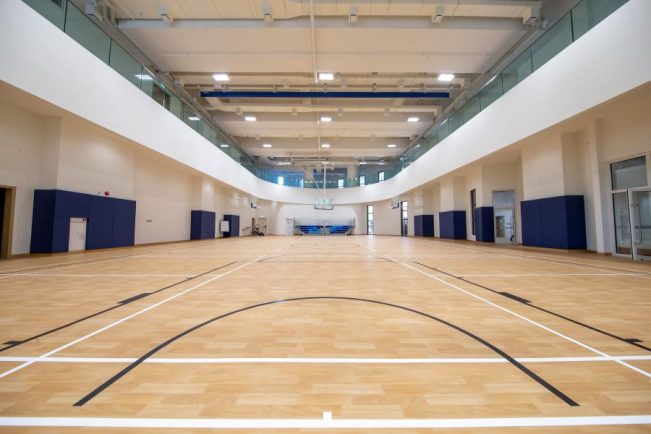
MODERN sports centres are far removed from the damp, windowless gym halls of the past. Today, the focus is on creating a space that is bright and welcoming for every type of member. Designers put a lot of work into the initial layout to make sure that the flow of people doesn’t lead to bottlenecks at the turnstiles or in the changing areas.
Ventilation and natural light are now seen as essential parts of the build. It’s common to see large floor-to-ceiling windows and advanced climate control systems that keep the air moving even during the busiest hours. Now let’s take a closer look at how these spaces are built today.
How High-Traffic Wet Rooms Stay Clean
The changing rooms and pool areas are the hardest parts of any leisure centre to maintain. These spots deal with constant moisture and a high volume of foot traffic every single day. If the materials used aren’t up to the task, the facility can quickly start to look tired and dirty.
Grout lines in traditional tiling are a common problem because they trap dirt and moisture. This is why many modern builds use hygienic cladding sheets instead. These sheets create a seamless surface that is easy to disinfect. They are durable enough to withstand the knocks and scrapes of bags and equipment while keeping the walls protected from water damage.
Designers also pay close attention to the slip resistance of the flooring in these areas. They will often choose textured vinyl or specialised tiles that have a high grip rating even when they are completely wet. This is vital for the safety of members who move between the showers and the pool.
Smart Layouts for Busy Gym Floors
A well-designed gym floor helps people stay comfortable while they train. Planners don’t simply cram in as many treadmills as possible. They group equipment in a way that makes sense for different workout styles. You will usually find the heavy weights in a different section to the cardio machines to keep the noise and movement separate.
Acoustics play a big part in the design process. Large gyms can be very loud with music, clanging weights and voices all echoing at once. Designers use acoustic panels on the ceilings or walls to absorb some of that sound. This makes the environment much less stressful for both the staff and the members.
Planners consider several factors when they decide on the layout of a workout area:
The distance between machines to ensure safety and privacy.
The proximity of water stations to the high-intensity zones.
The way natural light enters the building to reduce eye strain.
Materials that Withstand Daily Use
The materials chosen for a sports centre have to be tough. Front desks and benches take a lot of punishment from heavy gym bags and constant use. High-pressure laminates are often used for lockers and furniture because they don’t chip or scratch easily. It’s all about ensuring the centre looks as good in five years as it does on the day it opens.
Flooring is another area where quality is essential. In the free-weights area, thick rubber matting is used to protect the subfloor from dropped weights. In the studios, a sprung wooden floor is often the best choice because it absorbs the impact of jumping and running. This helps to protect the joints of the people taking part in classes.
The colour schemes are also chosen with care. Bright, energetic colours like orange or blue are often used in the gym areas to help keep people motivated. In contrast, the yoga and pilates studios usually have more muted, earthy tones to encourage a sense of calm.
In Conclusion
Every detail of a modern sports centre is planned to balance function with a good user experience. From the type of wall finish to the way the air is filtered, each choice helps to create an environment where people want to spend their time. When a facility is designed well, it becomes a hub for the community and stays in great condition for many years.
By focusing on durable materials and smart layouts, operators can reduce their maintenance costs. This allows them to spend more on their staff and programmes. A great leisure centre is the result of many small, well-thought-out decisions coming together.
Article written by Lydia White