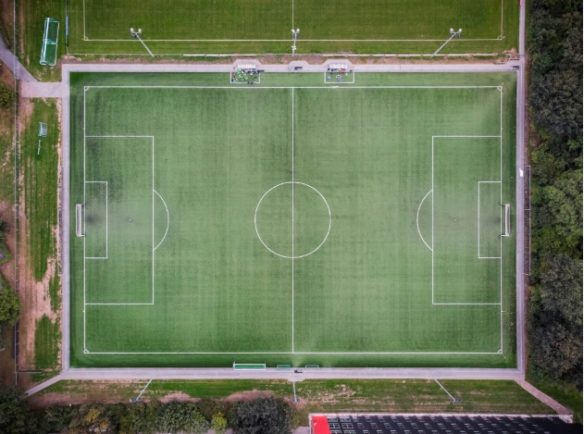
Quality sports fields play a significant role in increasing community participation in Rugby. Enhanced field conditions attract local events, fostering a vibrant sports culture. Learn how precise markings enhance the sporting experience.
In Rugby, high-quality sports facilities are essential for vibrant community involvement. They serve as more than just places for exercise; they are vital in fostering connections and encouraging local participation in various sports. By improving field conditions, you contribute to creating safer and more inviting spaces that can attract a wider range of events. The inclusion of precise line markings, often achieved with advanced tools like the robotic line marker, plays a crucial role in maintaining these standards.
The Influence of Quality Facilities on Participation
When considering why people participate in sports, the quality of the facilities often ranks high on the list. High-quality sports fields with well-maintained surfaces and clear, precise markings offer an inviting environment that encourages both newcomers and seasoned athletes alike. These fields provide a professional atmosphere that enhances players’ experiences and motivates more frequent participation. By ensuring that fields are kept in optimal condition, communities can foster a sense of pride and ownership among residents.
The presence of top-notch facilities often leads to an increase in local sporting events. Schools, clubs and community groups are more likely to host tournaments and matches when they have access to high-quality fields. This not only boosts local economies through event attendance but also strengthens community ties as residents come together to support their teams. Additionally, such events provide opportunities for youth to engage in sports, promoting healthy lifestyles and teamwork skills.
Moreover, having access to quality fields can significantly reduce injury risks. Smooth surfaces with clearly marked boundaries help prevent accidents that might occur due to uneven ground or unclear lines. This aspect is particularly important for younger players who are still developing their skills and need secure environments to practice safely. By prioritising field quality, communities can ensure that safety standards are met while promoting an active lifestyle.
Modern Maintenance Practices Enhance Field Conditions
Maintaining top-tier sports fields requires modern tools and techniques. Traditional methods of field upkeep have given way to more advanced solutions that ensure precision and efficiency. These modern practices include using specialised equipment for line marking and turf management, which ensures consistency across the field’s surface. Such tools are instrumental in achieving accurate line markings that meet professional standards.
The introduction of technology into field maintenance has changed the way communities approach sports facility management. Automated systems can measure and apply markings with pinpoint accuracy, reducing human error and ensuring that all measurements adhere to regulatory guidelines. This level of precision not only enhances the aesthetics of the field but also boosts its functionality by providing clear delineations for different sports activities.
Advanced maintenance practices also play a role in preserving the longevity of the fields themselves. Regular upkeep using modern machinery helps prevent wear and tear by addressing issues before they escalate into significant problems. This proactive approach not only saves money in the long term but also ensures that fields remain available for use throughout the year without interruption.
Fostering Community Spirit Through Engaging Environments
The availability of well-maintained sports facilities significantly contributes to fostering community spirit. When residents see investments being made into local infrastructure, it instils a sense of pride and belonging within the community. Sports fields become gathering places where friendships are forged over shared passions and where diverse groups come together for common goals.
You might find that community events hosted on high-quality fields draw larger crowds due to their appealing settings. Families enjoy spending time at these venues because they provide safe environments for children to play while parents socialise with fellow attendees. Furthermore, such gatherings often feature local vendors and entertainment options that enhance the overall experience for everyone involved.
As interest grows around sporting events held on pristine grounds, so too does the potential for increased engagement from local businesses seeking sponsorship or partnership opportunities during these occasions. Such collaborations further strengthen economic ties within communities while promoting goodwill among stakeholders involved.
Final Thoughts
Investing in the quality of sports fields is ultimately an investment in the community itself. From safer playing conditions and precise markings that elevate the sporting experience, to the sense of pride and connection fostered through local events, well-maintained facilities have a ripple effect that extends far beyond the game. By embracing modern maintenance practices and prioritising field excellence, communities can create inclusive, engaging spaces that encourage participation, strengthen social bonds and inspire future generations of athletes.
In Rugby and beyond, high-quality fields are not just grounds for play; they are foundations for stronger, healthier and more united communities.