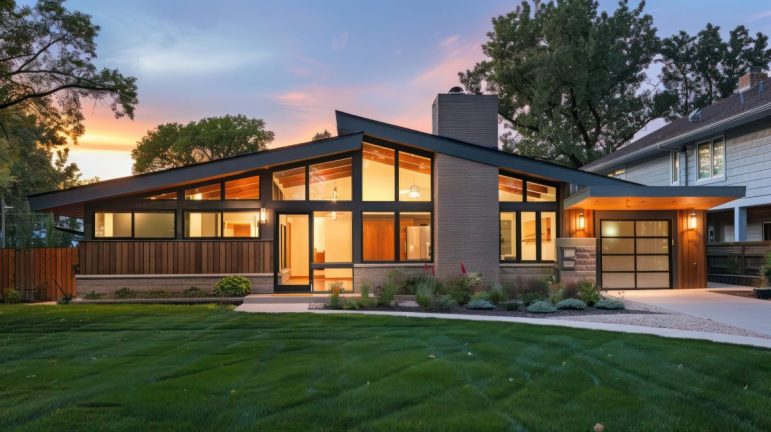
A warm and cozy home during the colder months is essential for comfort and well-being. However, achieving this without facing skyrocketing energy bills can be challenging. With the right strategies, it’s possible to maintain a comfortable indoor temperature while keeping costs in check.
This guide explores how to achieve a warmer home without high bills.
Understand Energy Efficiency
Energy efficiency is the cornerstone of maintaining warmth without excessive energy use. By focusing on efficient heating systems and proper insulation, you can significantly reduce heat loss and minimize energy consumption. A great starting point for homeowners like you is exploring the ECO4 eligibility. This program offers support for energy-efficient home improvements, which can help reduce heating expenses while improving overall warmth.
Insulate Your Home
Proper insulation is one of the most effective ways to retain heat in your home. Heat loss through walls, roofs, and floors can be substantial if these areas aren’t well-insulated. Hence, it’s essential to consider the following steps:
- Wall Insulation: Invest in cavity wall insulation or solid wall insulation to trap heat effectively.
- Roof and Loft Insulation: Adding insulation to your attic or loft space can prevent heat from escaping through the roof.
- Floor Insulation: Sealing gaps in floors or installing underfloor insulation can help keep warmth from escaping.
By ensuring your home is adequately insulated, you can reduce heating needs and enhance indoor comfort.
Seal Drafts
Drafts are a common cause of heat loss, especially in older homes. Identifying and sealing gaps around windows, doors, and other openings can make a significant difference. Some effective methods include:
- Utilise weatherstripping or draft excluders around doors and windows.
- Apply caulk to seal small cracks and gaps in walls.
- Install keyhole covers and letterbox brushes to block drafts.
By addressing these small but impactful areas, you can prevent warm air from going out and cold air from going inside your home.
Maximize Heating Efficiency
Your heating system’s efficiency is critical in maintaining a warm home without high bills. To maximize heating efficiency, consider the following tips:
- Upgrade to a High-Efficiency Boiler: Modern condensing boilers use less energy and provide consistent heating.
- Install a Programmable Thermostat: Set your thermostat to maintain optimal temperatures when you’re home and reduce heating when you’re away.
- Bleed Radiators Regularly: Remove trapped air from radiators to ensure even heat distribution.
- Zone Heating: Heat only the rooms you use frequently by installing thermostatic radiator valves (TRVs).
These upgrades and practices can help optimize your heating system, resulting in lower energy consumption and bills.
Embrace Renewable Energy Options
Renewable energy sources such as solar panels and heat pumps can provide sustainable heating solutions. While the initial installation cost may be high, these systems often pay for themselves over time through reduced energy bills. Some options to consider include:
- Air Source Heat Pumps: Extract heat from the air to warm your home efficiently.
- Solar Panels: Use solar energy to power heating systems or generate electricity.
- Biomass Boilers: Utilize wood pellets or other biomass materials as a renewable fuel source.
These renewable options can help lower heating costs and reduce your environmental impact.
Use Curtains and Blinds Strategically
Proper use of curtains and blinds can significantly impact indoor temperatures. During the day, open curtains to allow sunlight to naturally heat your home. In the evening, close them to trap warmth and block drafts. Also, consider using thermal or insulated curtains for maximum effectiveness.
Incorporate Smart Technology for Better Control
Smart technology allows you to control and monitor your heating system more effectively. Smart thermostats, for instance, learn your routine and adjust heating accordingly to ensure efficiency. Some systems can even be controlled remotely via smartphone apps, allowing you to manage heating when you’re not at home.
Layer Up
Adding layers to your clothing and using cozy blankets can reduce the need for excessive heating. Therefore, incorporate area rugs on floors to provide additional insulation and warmth. These small changes can lead to noticeable savings on your energy bills.
Invest in Energy-Efficient Lighting and Appliances
 While lighting and appliances may not directly affect heating, they can contribute to energy consumption. Switching to energy-efficient LED bulbs and using appliances with high Energy Star ratings can lower your electricity bills, freeing up budget for heating needs.
Create Warm Zones Within Your Home
Instead of heating the entire house, focus on creating warm zones where your family spends the most time. Use portable heaters in these areas for targeted warmth. Additionally, ensure these heaters are energy-efficient to avoid excessive costs.
Take Advantage of Grants and Schemes
Government and local programs, such as the ECO4 scheme mentioned earlier, can assist in funding energy-efficient upgrades. Research available grants and schemes in your area to reduce the financial burden of home improvements. These programs can cover costs for insulation, heating systems, and renewable energy installations, making energy efficiency more accessible.
Maintain Your Heating System Regularly
Regular maintenance of your heating system ensures it operates efficiently. Schedule annual servicing for boilers, clean air filters, and inspect ductwork for leaks. This proactive approach can help extend the life of your system and ensure it performs at its best.
Conclusion
With the right strategies, achieving a warmer home without high energy bills is not only possible but also sustainable. By keeping the information mentioned above in mind, you can enjoy a comfortable living space while keeping costs manageable. With these small yet impactful changes, you can create a warm, energy-efficient environment that benefits your family and the planet.
Toby Scott is an energy efficiency expert with a focus on sustainable home solutions. In his article, he provides practical tips on how to achieve a warmer home without incurring high energy bills, including insulation upgrades, efficient heating methods, and smart thermostat use. Toby aims to help homeowners reduce energy consumption while maintaining comfort during colder months. Outside of his work, he enjoys gardening, DIY home improvement projects, and exploring energy-efficient technologies.