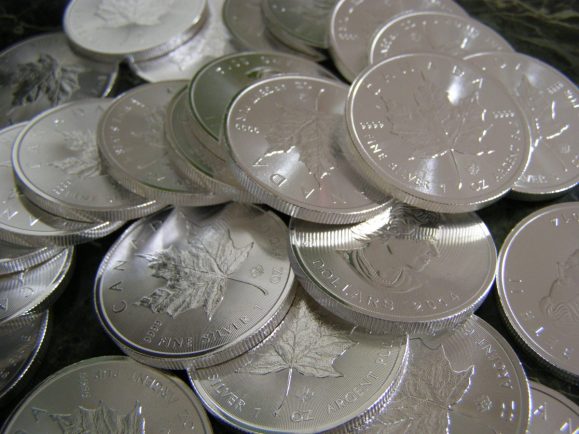
SILVER has traditionally been associated with jewellery, coins and investment markets, but its industrial role has become increasingly important in recent years. As technology continues to evolve and countries invest more heavily in renewable energy, demand for silver is expanding well beyond its traditional uses.
Industrial Demand Is Rising
Industrial demand now represents one of the largest drivers of silver consumption worldwide. While many investors still follow the metal because of inflation concerns or safe-haven buying, manufacturers are increasingly shaping the market as well. This is one reason why discussions around a future silver price prediction have become more connected to industrial growth rather than purely financial speculation.
Silver has several unique properties that make it difficult to replace in many applications. It is highly conductive, resistant to corrosion and capable of handling heat efficiently. These characteristics allow it to play a key role in electronics, clean energy and advanced manufacturing.
As industries continue modernising, silver is being used in larger quantities across multiple sectors. In some areas, demand is rising faster than supply, which has added further attention to the market.
The Solar Industry Uses Huge Amounts of Silver
One of the biggest reasons silver has become more important industrially is the rapid expansion of solar energy. Solar panels rely on silver because of its excellent electrical conductivity. The metal helps transport energy efficiently within photovoltaic cells.
Governments across Europe, Asia and North America continue investing heavily in renewable energy infrastructure. As countries try to reduce dependence on fossil fuels, solar energy installations have accelerated significantly.
This trend has created a strong source of long-term silver demand. Even when the broader economy slows, many renewable energy projects continue because they are linked to national energy strategies and climate goals.
Although manufacturers constantly try reducing the amount of silver used in each panel to lower costs, total demand remains high because global solar production keeps increasing.
Electronics Depend on Silver
Modern electronics also rely heavily on silver. Smartphones, laptops, televisions, electric vehicles and advanced medical equipment all contain small amounts of the metal.
While individual devices may use relatively little silver, the scale of global electronics manufacturing creates enormous cumulative demand. Billions of devices are produced every year, and many require reliable conductive materials that can perform consistently over time.
Silver is especially important in high-performance electronics because it transfers electricity more efficiently than almost any other metal. This makes it difficult to replace completely, particularly in products where reliability is essential.
The growth of artificial intelligence infrastructure and data centres could also contribute to future industrial demand. Large computing systems require highly efficient electrical components, and silver remains valuable in many of these applications.
Electric Vehicles Are Changing the Market
The global shift towards electric vehicles has created another major opportunity for silver demand. Electric cars use more silver than traditional petrol-powered vehicles because of their complex electrical systems.
Silver appears in battery management systems, charging infrastructure, electronic controls and safety components. As car manufacturers continue increasing EV production, industrial silver demand may continue rising alongside it.
Many governments are encouraging consumers to adopt electric vehicles through tax incentives and environmental regulations. Several major automotive companies have also announced long-term plans to transition away from traditional combustion engines.
If these trends continue through the next decade, silver could become even more deeply connected to the automotive sector.
Supply Challenges Could Become Important
While demand continues expanding, silver supply growth has been more limited. Unlike gold, silver is often produced as a by-product of mining operations focused on other metals such as copper, zinc or lead.
This means silver production does not always increase simply because prices rise. Mining companies may remain dependent on broader commodity conditions before significantly expanding output.
At the same time, environmental regulations, rising operational costs and geopolitical uncertainty can create additional pressure on mining activity.
Some analysts believe this imbalance between industrial demand and supply could become increasingly important in future years. If renewable energy and technology sectors continue growing rapidly, competition for available silver may intensify.
Investors Still Play a Major Role
Although industrial demand is growing, investment demand remains highly influential. Silver prices can still react sharply to interest rates, inflation concerns and broader financial market sentiment.
During periods of economic uncertainty, many investors view silver as an alternative store of value alongside gold. At other times, silver behaves more like an industrial metal and follows economic growth trends.
This dual identity makes silver somewhat unique compared to other commodities. It is influenced both by manufacturing activity and by investor psychology.
As a result, silver prices can sometimes experience significant volatility. A strong industrial outlook may support long-term demand, but short-term movements often remain heavily affected by financial markets.
Conclusion
Silver is no longer viewed only as a precious metal linked to jewellery and investment demand. Its growing role in solar energy, electronics, electric vehicles and advanced technologies has made it increasingly important for industry.
While financial markets still influence silver prices, industrial demand now plays a far larger role than it did in previous decades. If renewable energy expansion and technological development continue accelerating, silver could become even more valuable to the global economy in the years ahead.
Article written by Louis Wheeler